
- Start preparing 4 to 8 weeks before you want to list.
- Focus on decluttering, small repairs, and curb appeal before bigger projects.
- In Minneapolis, a Truth-in-Sale of Housing evaluation is required before listing, and Minnesota requires sellers to disclose known material facts.
- Price with recent comparable sales, not online estimates.
The work you do before your home hits the market has a big impact on how quickly it sells and what you walk away with. Here's the checklist I go through with sellers across the Twin Cities.
1. Decide on timing
Spring and early summer are traditionally the busiest seasons in Minnesota, but homes sell year-round, and listing when there's less competition can work in your favor. The right time depends on your next move, your finances, and local inventory. We'll look at the numbers for your neighborhood together.
2. Declutter and deep clean
Buyers need to picture themselves in the space. Clear countertops, thin out closets, put away personal photos, and pack anything you won't need in the next few months. Then deep clean everything, including windows, baseboards, and carpets. It's the least expensive improvement you can make.
3. Handle small repairs
Fix leaky faucets, loose handles, burned-out bulbs, and chipped paint. Small issues add up in a buyer's mind and can show up in an inspection report. Skip major renovations unless we've talked through whether they'll pay off. My preferred vendors include contractors I trust.
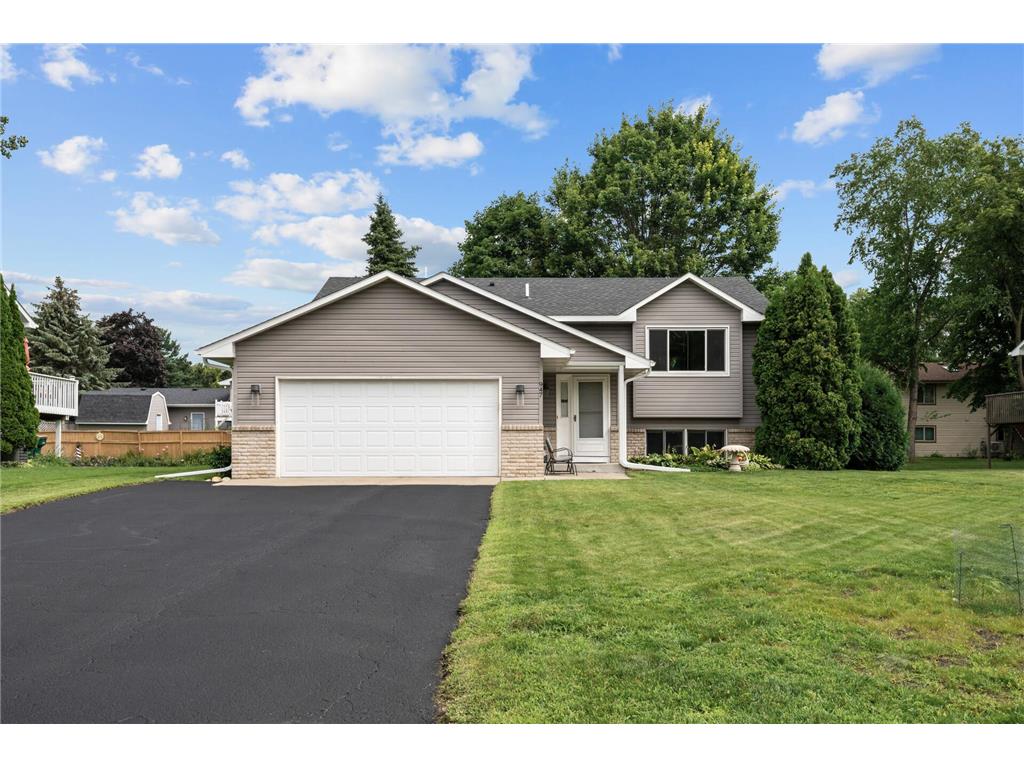
4. Boost curb appeal for the season
First impressions start at the curb and in the listing photos. In warmer months, that means mowing, edging, fresh mulch, and a few planters. In winter, keep the driveway and walkways shoveled and salted, and turn on exterior lights for evening showings.
5. Get your paperwork in order
If your home is in Minneapolis, you'll need a Truth-in-Sale of Housing evaluation before listing, and several other cities have their own point-of-sale requirements. Minnesota also requires sellers to disclose known material facts about the property. Gather utility bills, warranties, permits for past projects, and HOA documents if you have them.
6. Price it with data
Online estimates are a starting point at best. I'll prepare a comparative market analysis using recent sales, active competition, and your home's condition and updates. Pricing right from day one matters, because the first few weeks on the market are usually when interest is highest.
7. Prepare for photos and showings
Listing photos are where most buyers see your home first. Before the shoot, open the blinds, turn on every light, and put away cars, pet bowls, and toiletries. During showings, plan to step out with pets and leave the home bright and comfortable.
8. Review offers with a clear head
When offers arrive, we'll compare more than price. Financing, contingencies, earnest money, and closing date all affect how likely a deal is to close. I'll walk you through each one with the facts so you can make the decision that's right for you.
Frequently asked questions
When is the best time to sell a house in the Twin Cities?
Spring and early summer typically bring the most buyers, but homes sell all year. Fewer competing listings in fall and winter can help a well-prepared home stand out. The best timing depends on your goals and your local market.
Should I renovate before selling?
Usually, start with cleaning, repairs, paint, and curb appeal. Large renovations don’t always return what they cost. I can help you decide which updates are worth it based on comparable homes in your area.
What do I have to disclose when selling a home in Minnesota?
Minnesota requires sellers to disclose known material facts that could significantly affect a buyer’s use or enjoyment of the property. This is typically done with a written disclosure statement. If you’re unsure about something, ask before you list.
How do you decide on a list price?
I prepare a comparative market analysis using recent nearby sales, current competition, and your home’s condition and updates. We review it together and set a pricing strategy that fits your goals and timeline.
This article is general information, not legal, tax, or financial advice. Requirements vary by city and change over time, so confirm details for your situation.
Thinking about selling?
Book a free call and I’ll walk you through what your home could sell for and what to do first.